The foundation you use should be a fluid one, made for oily or combination skin, and if you use powder, loose powder is preferable to compact.
To moisturise the skin is to maintain or restore its water balance. When the skin is well moisturised it is soft, pleasant to the touch and healthy-looking. When it is dehydrated it is rough and looks slack.
Whatever your skin type, moisturising deserves particular attention, especially where the skin is oily or combination. Oily skin does not necessarily mean well-moisturised skin.
When the skin is dehydrated, the sebaceous glands produce more sebum to prevent further water loss. By moisturising daily you protect your skin and keep sebum production down, and the familiar shine over the course of the day becomes less noticeable.
As we grow older the skin finds it harder and harder to maintain the water balance it needs, and it loses its elasticity and tone, which is why moisturising products should be part of the daily routine.
Among the factors that dehydrate the skin are sun exposure, wind, extreme temperatures, a diet lacking in essential fatty acids, smoking, caffeine and alcohol, hormonal factors (oestrogen deficiency), the excessive use of hygiene products (detergent soaps, alcohol-based lotions), stress and age.
The key to moisturising properly is drinking fluids every day. The human body is an intelligent machine, able to set its own priorities. So when water is short, it will keep the vital organs optimally hydrated at the expense of peripheral ones such as the skin.
Moisturising from the outside matters a great deal too. Unfortunately most products act for only a few hours, which means applying them 3 or 4 times a day. For some of us that is close to impossible. Applying creams and lotions that often can also block the follicles and produce acne lesions.
We recommend using long-acting moisturising products (labelled “long lasting moisturizers”).
A good moisturiser should contain, besides moisturising ingredients (urea, propylene glycol, glycerine, hyaluronic acid and so on), compounds that counter the harmful effects of the environment, such as antioxidants or sunscreens.
People with oily or combination skin have to choose the products they use very carefully. Products in cream or lotion form, which are very good for normal or dry skin, can cause serious problems on oily or combination skin.
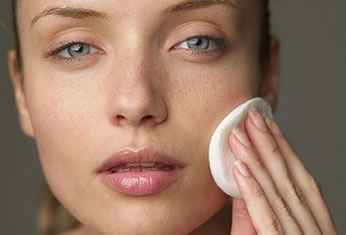
Make-up removers should be solutions rather than creams or lotions, astringent but not alcohol-based, and washing gels should be syndets (detergent-free), gentle enough not to strip the skin excessively and so drive the sebaceous glands to produce more. Foam cleansers are preferable, and creams should be long-acting and oil-free. They are applied in the evening after cleansing the skin, and in the morning as a base for make-up. It is advisable to buy facial creams and cleansers from pharmacies (dermatocosmetic products). It is true that these products contain no colourings or fragrances, but they keep the risk of allergic and irritant reactions, and of dyschromia, to a minimum.
During the day you can apply one or two sprays of thermal water, which moisturises and refreshes and also helps set make-up.
The foundation you use should be a fluid one, made for oily or combination skin, and if you use powder, loose powder is preferable to compact.