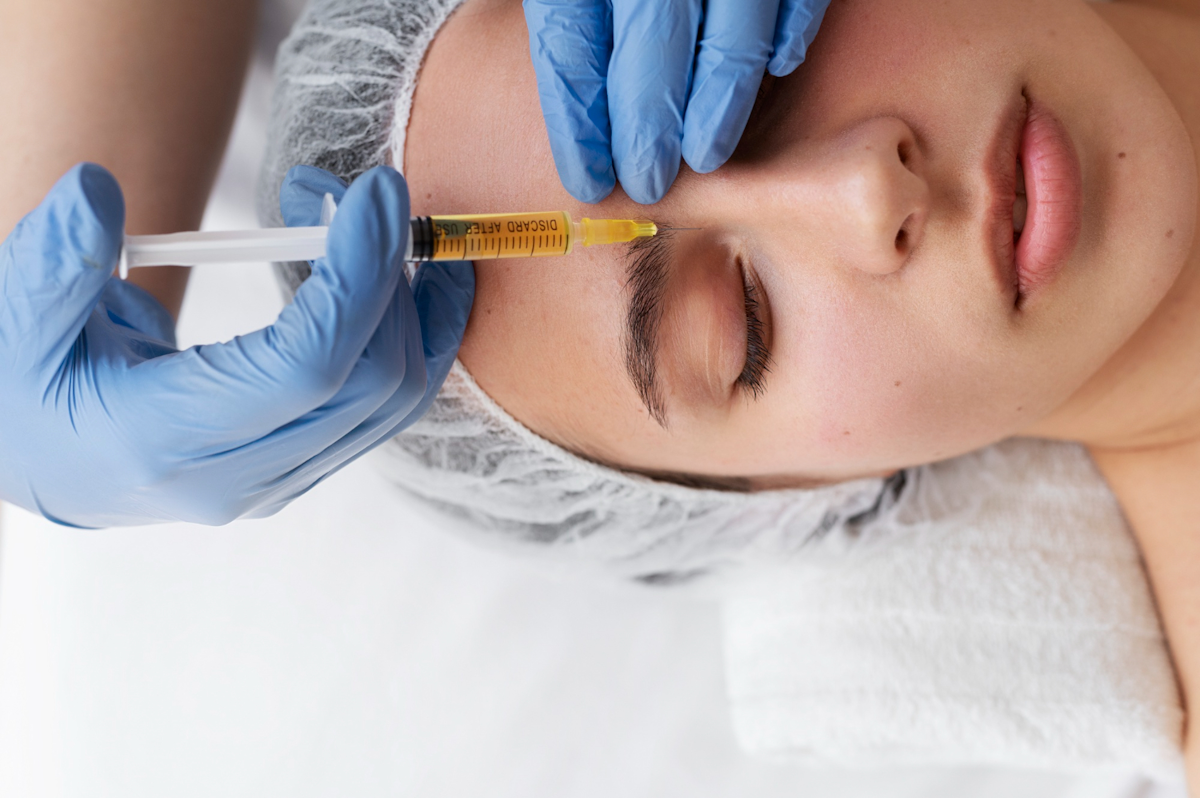
Platelet-rich plasma therapy, or PRP, has become one of the most sought-after regenerative procedures of recent years, precisely because it uses the body's own resources.
Platelet-rich plasma therapy, or PRP, has become one of the most sought-after regenerative procedures of recent years, precisely because it uses the body's own resources rather than foreign substances. The result: firmer skin, thicker hair or improved intimate comfort, with no artificial intervention and a very low risk of adverse reactions.
In this guide you will find everything you need to know: how PRP acts at cellular level, what benefits it brings for the face, the scalp and women's intimate health, how it combines with procedures such as microneedling or the fractional CO2 laser, and what the clinical studies say so far. At the end we also answer the questions we are asked most often in the clinic.
PRP therapy in brief
- PRP (platelet-rich plasma) is a regenerative therapy that uses the patient's own blood
- It stimulates the production of collagen and accelerates the healing of tissues
- It is used for facial rejuvenation, to stimulate hair growth and for women's intimate health
- The procedure takes 30 to 60 minutes
- The discomfort is minimal
- The results appear gradually, over 3 to 6 months
What PRP therapy is
PRP therapy (platelet-rich plasma) consists of drawing a small quantity of blood from the patient, centrifuging it to separate out the platelet-rich plasma, and then reintroducing it into the treated area — the face, the scalp or the intimate region.
Platelets contain growth factors (PDGF, TGF-β, VEGF, EGF and IGF) that activate fibroblasts, stimulate the synthesis of collagen and support the formation of new blood vessels (angiogenesis). In practice PRP adds nothing foreign to the body; it amplifies the natural processes by which tissues repair and regenerate themselves.
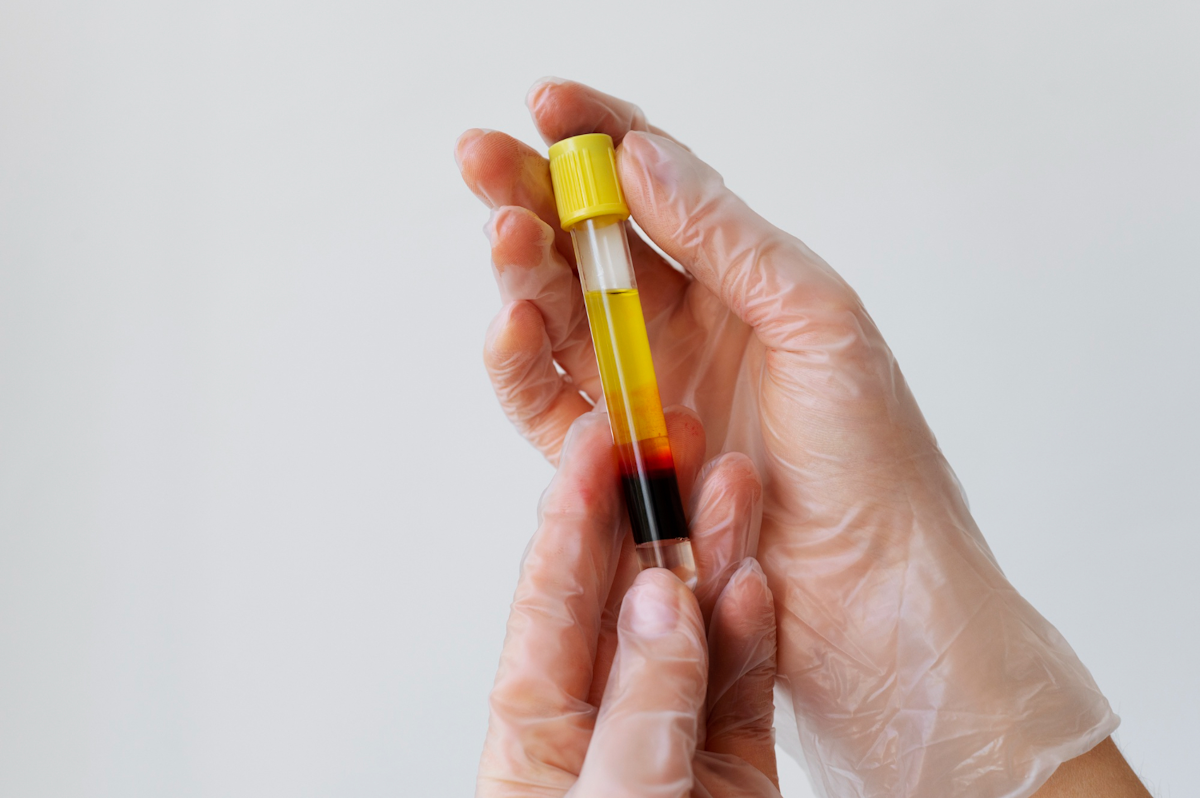
Platelet-rich plasma, obtained by centrifuging the blood, has tissue-regenerating properties. Photo: Freepik
Being an autologous treatment (from the patient's own blood), PRP is well tolerated and carries a very low risk of allergic or adverse reactions. It is used today in three main directions: facial rejuvenation, treating hair loss and improving women's intimate health, often in combination with procedures such as microneedling or the fractional CO2 laser.
PRP for the face – regeneration from within
As we grow older, the production of collagen and elastin falls, and the skin loses its firmness, its radiance and its capacity to regenerate. PRP stimulates the activity of fibroblasts and accelerates the skin's natural processes of repair. PRP stimulates angiogenesis (the formation of new blood vessels), which is essential to the regeneration of tissues. The growth factors released from the platelets (PDGF, TGF-β, VEGF, EGF and IGF) activate the fibroblasts and accelerate the synthesis of collagen.
The benefits of PRP for the face
- it stimulates the natural production of collagen and elastin;
- it improves the texture and the quality of the skin;
- it gives radiance and evens out the skin tone;
- it reduces fine lines and superficial wrinkles;
- it increases the firmness and elasticity of the skin;
- it accelerates the healing of tissues;
- it can improve the appearance of post-acne scars;
- it contributes to deep hydration and to revitalising the skin;
- it gives a natural look, without altering the features of the face.
What the studies say
Clinical studies confirm the mechanism described above: PRP stimulates the synthesis of collagen, elastin and hyaluronic acid, with visible effects on the texture and the elasticity of the skin. Combining it with microneedling or the fractional CO2 laser accelerates healing and can improve the aesthetic results compared with the procedures applied on their own.
PRP for the scalp – stimulating hair regeneration
PRP is recommended for women and men alike who have excessive hair loss or thinning hair. The growth factors in the plasma stimulate the existing follicles and improve the microcirculation of the scalp.
The benefits of PRP for the scalp
- it reduces hair loss;
- it stimulates resting follicles;
- it encourages thicker, stronger hairs;
- it improves the blood supply of the scalp;
- it increases hair density;
- it prolongs the growth phase of the hair;
- it can slow the progression of androgenetic alopecia;
- it complements drug treatments and other regenerative therapies effectively.
What the studies say
Numerous studies and meta-analyses have shown that PRP can reduce hair loss and can increase the density and thickness of the hair in patients with androgenetic alopecia, in women as well as men.
The best results are seen when treatment begins in the early stages of alopecia, before the follicles are completely affected.
PRP for intimate health in the perimenopause and the menopause
The fall in oestrogen levels during the perimenopause and the menopause brings structural changes to the vaginal mucosa and the vulvar tissues, which can affect comfort and quality of life.
PRP stimulates local regeneration by activating the body's own repair mechanisms.
The benefits of PRP for the genital region
- it improves the hydration of the vaginal mucosa;
- it stimulates the production of collagen and elastin;
- it increases the elasticity and the trophicity of the tissues;
- it improves the local blood supply;
- it reduces dryness, irritation and burning;
- it can lessen pain during sexual intercourse;
- it contributes to greater comfort and a better quality of intimate life;
- it can improve local sensitivity and sexual function;
- it is a therapeutic option for women who cannot use local hormone treatments.
What the studies say
The studies published so far have reported improvements in:
- the elasticity and quality of the tissues;
- a reduction in pain during sexual intercourse;
- the easing of dryness and burning;
- greater sexual satisfaction and quality of life.
Although the results are encouraging, the medical societies stress that further clinical studies are needed, larger and with long-term follow-up, in order to standardise the protocols and confirm the long-term benefits.
How many PRP sessions are needed, by area
The number of sessions and the results to expect differ according to the area treated. Below is a quick summary for the face, the scalp and intimate rejuvenation, useful for forming an idea before the medical consultation, where the protocol is tailored to you.
| Area treated | Sessions recommended | Results |
|---|---|---|
| Face | 3–4 sessions, then maintenance at 6–12 months | Visible in 3–4 weeks, complete in 3–6 months |
| Scalp | 3–4 sessions, tailored maintenance | Less hair loss after the first sessions, visible density at 3–6 months |
| Intimate rejuvenation | 2–3 sessions | In 3–6 months, according to the individual response |
The benefits of combining PRP with other regenerative procedures
In modern aesthetic medicine, PRP is frequently used in combination with other treatments in order to amplify tissue regeneration and to shorten the recovery period.
Microneedling + PRP
Microneedling creates controlled microchannels in the skin, stimulating the natural healing process. Applying or injecting PRP immediately after the procedure allows the growth factors to penetrate the tissue more effectively.
The benefits of the combination
- it strongly stimulates the production of collagen and elastin;
- it accelerates the regeneration of the skin;
- it improves the texture and firmness of the skin;
- it reduces enlarged pores;
- it softens fine lines;
- it improves post-acne scars and other superficial scars;
- it evens out the colour of the skin;
- it shortens recovery time compared with microneedling on its own;
- it gives gradual, natural results.
This combination is recommended for overall skin rejuvenation, for photoageing and for post-acne scars.
Fractional CO₂ laser + PRP
The fractional CO₂ laser is one of the most effective treatments for the deep rejuvenation of the skin, for remodelling collagen and for treating scars. Combining it with PRP accelerates the natural healing processes and optimises the results. Combined with the fractional CO₂ laser, PRP can shorten healing time and reduce the redness after the procedure.
The benefits of the combination
- it shortens the period of redness and inflammation after treatment;
- it accelerates the re-epithelialisation of the skin;
- it further stimulates the synthesis of collagen;
- it improves the firmness and elasticity of the skin;
- it reduces wrinkles and fine lines;
- it improves post-acne and surgical scars;
- it helps fade the pigment spots associated with photoageing;
- it optimises the aesthetic results of the laser;
- it makes the recovery period more comfortable for the patient.
Numerous studies suggest that combining PRP with the fractional CO₂ laser can accelerate healing and reduce the intensity of inflammatory reactions after the procedure, while offering more effective tissue regeneration.
The price of PRP therapy
PRP therapy costs 1000 lei per tube. In general one tube is enough for a given area (the face, the scalp or the intimate region, for example)
The final price is always confirmed at the consultation, once the doctor has assessed the patient's needs and established the number of sessions recommended for the result wanted.
Contraindications for PRP therapy
Although it is a very safe procedure, there are situations in which the treatment has to be postponed, or is contraindicated.
Among them are:
- active infections;
- fever or acute illness;
- severe clotting disorders;
- significant thrombocytopenia;
- certain blood disorders;
- active cancers (according to the recommendation of the treating doctor);
- anticoagulant treatments that cannot be interrupted on medical advice;
- pregnancy, where the indication is not supported by sufficient evidence.
The medical consultation is essential in establishing the indication and ruling out the contraindications.
A tailored approach for the best results
Over the past decade, PRP therapy has been intensively studied in regenerative and aesthetic medicine. Although the results differ according to the protocol used and the characteristics of each patient, most studies point to important benefits when the treatment is correctly indicated and carried out by experienced medical staff.
PRP is not a “one size fits all” procedure but a treatment that has to be adapted to each patient. The results depend on numerous factors, among them age, lifestyle, general health, the quality of the plasma obtained and the therapeutic indication.
At the consultation, the doctor establishes whether PRP is the most suitable option and whether it is recommended as a treatment on its own or alongside other regenerative therapies such as microneedling, the fractional CO₂ laser or other tailored procedures.
The specialist's message
Regeneration means prompting the body to activate its own healing mechanisms. PRP does not change the features and does not give artificial results; it supports the natural repair of tissues. That is precisely why this therapy holds an important place in modern regenerative medicine today, in aesthetics as well as in functional gynaecology. – Dr Daniela Popoiu, specialist dermatovenereologist, Dermestetica
Frequently asked questions about PRP therapy
Who is the ideal candidate for PRP therapy?
PRP is recommended for women and men who want to stimulate the body's natural processes of regeneration.
The procedure may be indicated for:
- people noticing the first signs of ageing in the skin;
- patients with dull skin, lacking firmness and elasticity;
- people with excessive hair loss or thinning hair;
- women in the perimenopause or menopause experiencing vaginal dryness and discomfort;
- patients who want to speed up healing after treatment with the fractional CO₂ laser or microneedling;
- people who prefer regenerative therapies based on their own biological resources.
How does the procedure go?
The treatment involves a few simple stages:
1. The medical consultation
It is established whether PRP is indicated, and the treatment protocol is tailored to you.
2. Drawing the blood
A small quantity of blood is drawn, as for an ordinary test.
3. Preparing the plasma
The blood is centrifuged to separate out the platelet-rich plasma.
4. Administering the PRP
The plasma is injected into the treated area or applied after procedures such as microneedling or the fractional CO₂ laser.
The whole procedure generally takes between 30 and 60 minutes.
Is the procedure painful?
Most patients describe minimal discomfort. For facial or scalp treatments anaesthetic creams are frequently used, and in gynaecology additional techniques can be used to make the patient more comfortable.
How soon do the results appear?
PRP stimulates natural mechanisms of regeneration, so the effects do not appear immediately.
In general:
- the first changes can be seen after 3 to 4 weeks;
- the results carry on improving over the following 3 to 6 months;
- the regeneration of collagen can continue even beyond that.
For the scalp, a reduction in hair loss often appears after the first sessions, and an increase in density is visible after about 3 to 6 months.
How many sessions are needed?
The protocol differs according to the indication.
In general the following are recommended:
- Face: 3–4 sessions 4 to 6 weeks apart, then maintenance at 6–12 months.
- Scalp: 3–4 initial sessions, followed by tailored maintenance treatments.
- Intimate rejuvenation: 2–3 sessions, according to the symptoms and the individual response.
How long do the results last?
How long the results last varies with age, lifestyle, associated conditions and the area treated.
On average the benefits can be maintained for between 6 and 18 months, and maintenance sessions help prolong the effects.
Can PRP be done in summer?
Yes. PRP therapy can be carried out in any season.
Where it is combined with the fractional CO₂ laser or other procedures that increase photosensitivity, the recommendations on sun protection and skincare have to be followed.
Why does the medical assessment matter?
Although PRP is a minimally invasive procedure, every patient has different needs. A careful assessment allows the best protocol to be chosen and any accompanying therapies to be established, so as to obtain the best results.
What is recovery after PRP like?
Recovery is usually quick. On the face, slight redness or swelling may appear for 24 to 48 hours, much like a minor irritation. For the scalp the discomfort is minimal and calls for no break from everyday activities. Where the procedure is combined with microneedling or the fractional CO2 laser, recovery may take a few days longer, depending on the intensity of the treatment. Direct sun exposure should be avoided and a high SPF used in the first days after the procedure.
In conclusion
PRP is a regenerative therapy that uses the body's own biological resources to stimulate the repair and rejuvenation of tissues. Whether it is used for facial rejuvenation, for treating hair loss, for women's intimate health or in combination with microneedling and the fractional CO2 laser, PRP offers a natural, minimally invasive and tailored approach.
Regeneration means prompting the body to activate its own healing mechanisms. PRP does not change the features and does not give artificial results; it supports the natural repair of tissues — which is precisely why it holds an important place in modern regenerative medicine today, in aesthetics as well as in functional gynaecology.
The results are gradual and depend on the particularities of each patient, which is why the treatment has to be recommended and adapted following a medical consultation. Its success depends on a correct indication, on the doctor's experience and on following the therapeutic protocol — which is why the medical consultation remains the first step towards a tailored treatment plan.
Bibliography
- https://www.aad.org/public/cosmetic/younger-looking/platelet-rich-plasma-secret-to-younger-skin
- https://pmc.ncbi.nlm.nih.gov/articles/PMC10833488/
- https://ishrs.org/patients/treatments-for-hair-loss/medications/platelet-rich-plasma/
- https://pmc.ncbi.nlm.nih.gov/articles/PMC4622412/
- https://www.sciencedirect.com/science/article/abs/pii/S0378512225000040