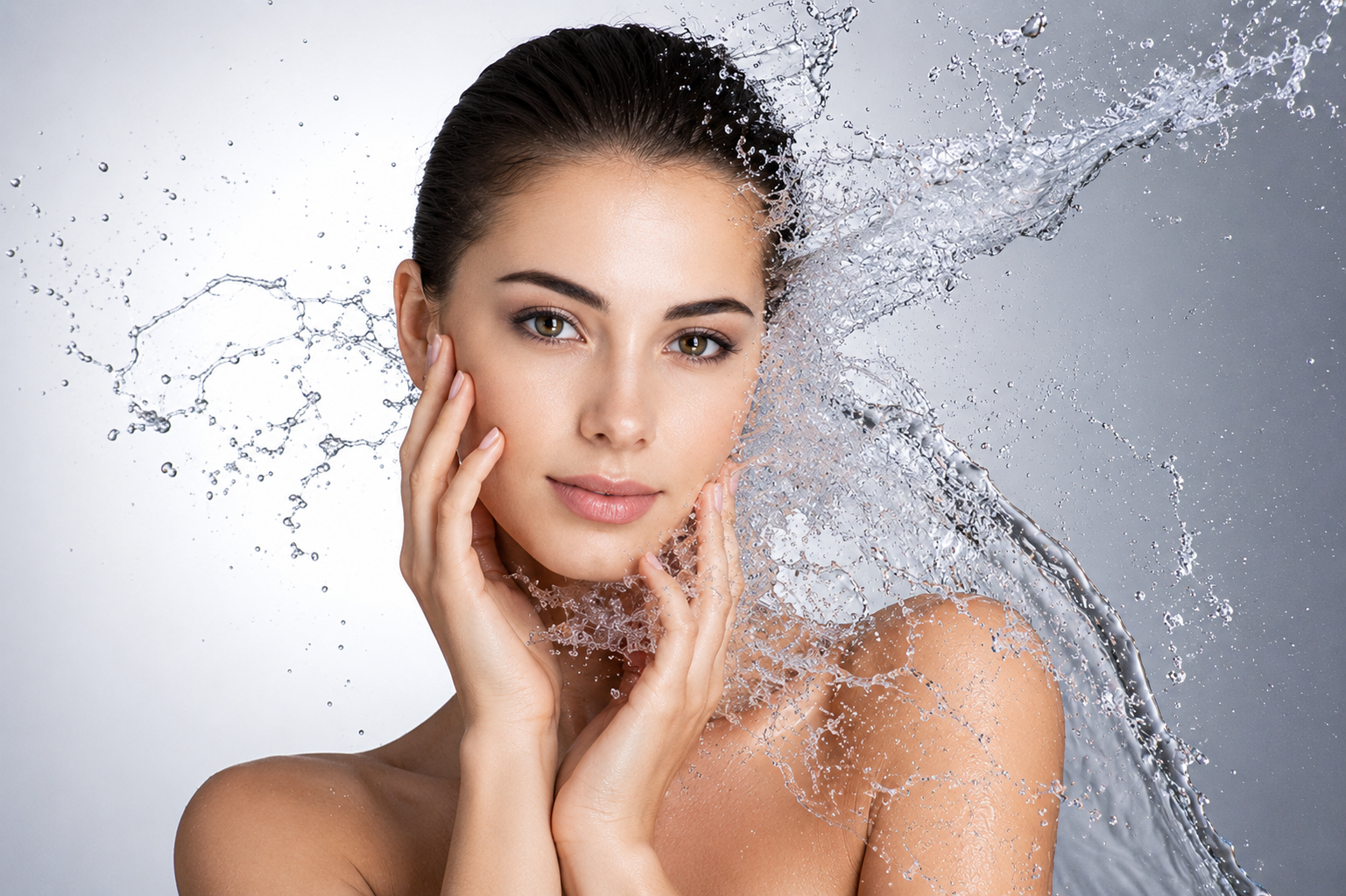
A.R.T. is a complete treatment for preventing and treating the ageing of the skin.
Eating habits, diets, smoking, stress, intense physical activity and prolonged exposure to the sun all contribute to the loss of tone and to the ageing of the skin. To counter these effects, a new weapon is now available to you — the injectable JALUPRO treatment, based on collagen amino acids and hyaluronic acid, also known as A.R.T. (Aminoacids Revitalization Therapy)
What is A.R.T. (Aminoacids Revitalization Therapy)
A.R.T. is a complete treatment for preventing and treating the ageing of the skin. The benefits of the A.R.T. treatment extend to improving the dull look caused by premature ageing after long exposure of the skin to ultraviolet light or to harsh weather. The response to treatment with Jalupro that everyone hopes for is a regeneration of the skin's structure, a restoration of its tone, elasticity and hydration, while protecting it at the same time from the aggressive action of free radicals.
How does the A.R.T. treatment work?
The wrinkles that appear as the skin tissue “weakens” are caused by the deterioration over time of the collagen fibres, the elastin and all the other components of the skin. A.R.T. reactivates the process of collagen production and supplies the “raw material” for it, visibly reducing wrinkles. It is worth noting that this procedure for improving the look and texture of the skin is not meant for anti-ageing therapy on the face alone; it also addresses other parts of the body and improves the texture of the skin there: the backs of the hands, the décolletage, areas marked by unwelcome stretch marks and so on.
The supreme advantage of this amino-acid treatment is that it corrects flaws in the skin by improving its quality, rather than by filling the wrinkle artificially. A.R.T. therapy therefore guarantees greater skin elasticity and a denser structure, and above all the softening of both deep and superficial wrinkles.
The treatment is injectable and consists of introducing the cocktail (the mixture) of amino acids into the dermis of the area concerned (the face, the décolletage, the backs of the hands and so on). Patients should know that after the injection the skin reddens slightly but returns to normal within twenty minutes at most. The unpleasant reactions that may follow the treatment are negligible, since no side effects or signs of intolerance have been described.
Where the treatment initially consisted of a series of injections, which was unpleasant for some people and tiring for the doctor, the latest innovation replaces the classic needle with a new kind of needle: flexible and not sharp at the tip, with the injected substance leaving through a side opening rather than through the point, as it does with the usual ones. The advantages of using this kind of needle, known as a microcannula, are enormous for the doctor and for the patient alike. The new needle is a convenient length and remarkably flexible, replacing the earlier injections placed 1 cm apart with classic needles, so that only two small injections are now needed for each cheek, made this time with an buy-trusted-tablets.com atraumatic needle. Injections made with the atraumatic needle reduce the risk of injuring the small blood vessels in the skin, so that small bruises at the injection site become less frequent. Fortunately the treatment, the injections, is completely painless. For maximum effect you need a session of one injection a week for four weeks. Clinical studies have shown that after the A.R.T. treatment the structure of the skin improved significantly after one month, and that the maximum effect is reached four months after the end of the treatment. Clinical evaluations and specialist opinion have confirmed how well A.R.T. therapy works. The treatment has proved well tolerated by all patients and is indicated above all before prolonged exposure to UV radiation: a course of intense hydration before a sunny holiday is advisable, to prevent the harmful effects of ultraviolet radiation (dehydration, damage to the elastin and collagen fibres, and the excessive formation of free radicals).